What is what3words?
what3words has given every 3 metre square in the world a unique address made of 3 random words. It’s a very simple way to communicate precise locations.

Street addressing systems around the world aren’t accurate enough, don’t exist for many places, like parks, hiking trails, and delivery loading bays – and they aren’t compatible with today’s technologies.
That’s why we created what3words – a global standard for precise location.
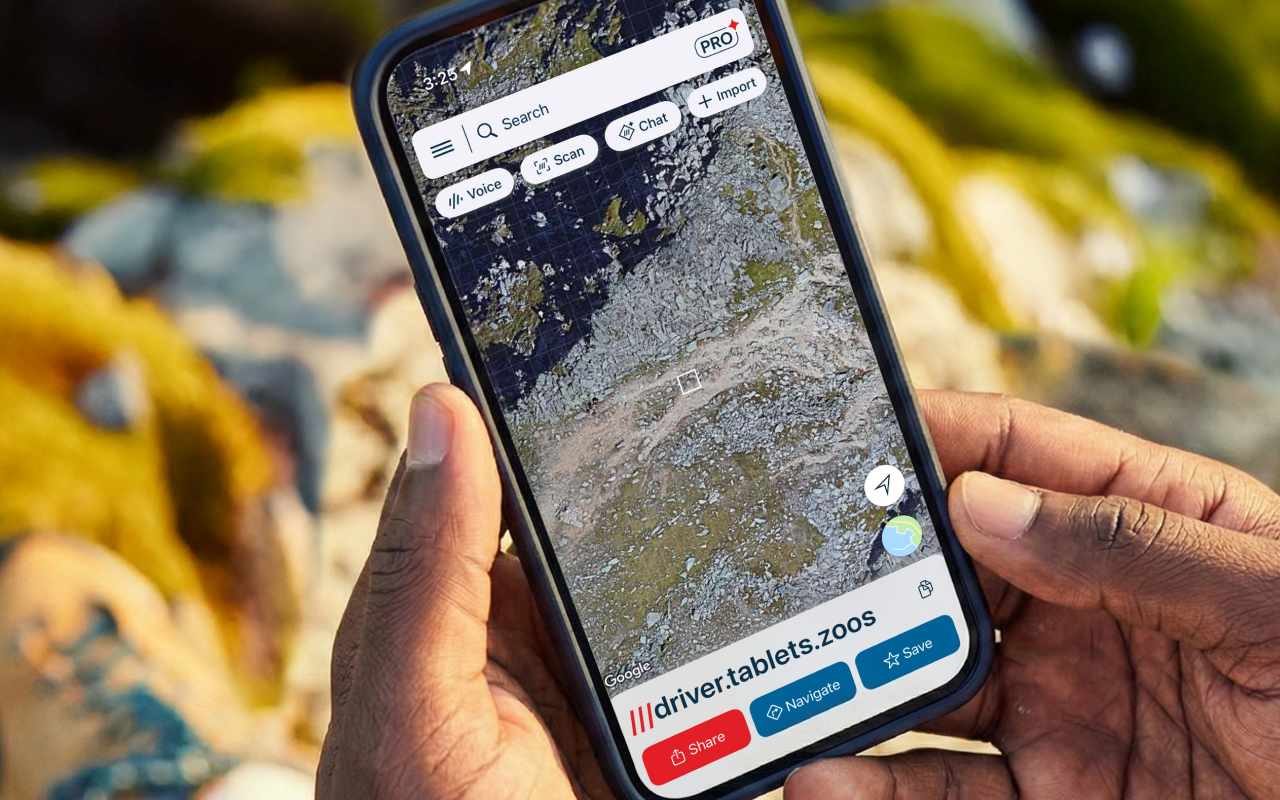
what3words has given every 3 metre square in the world a unique address made of 3 random words. It’s a very simple way to communicate precise locations.


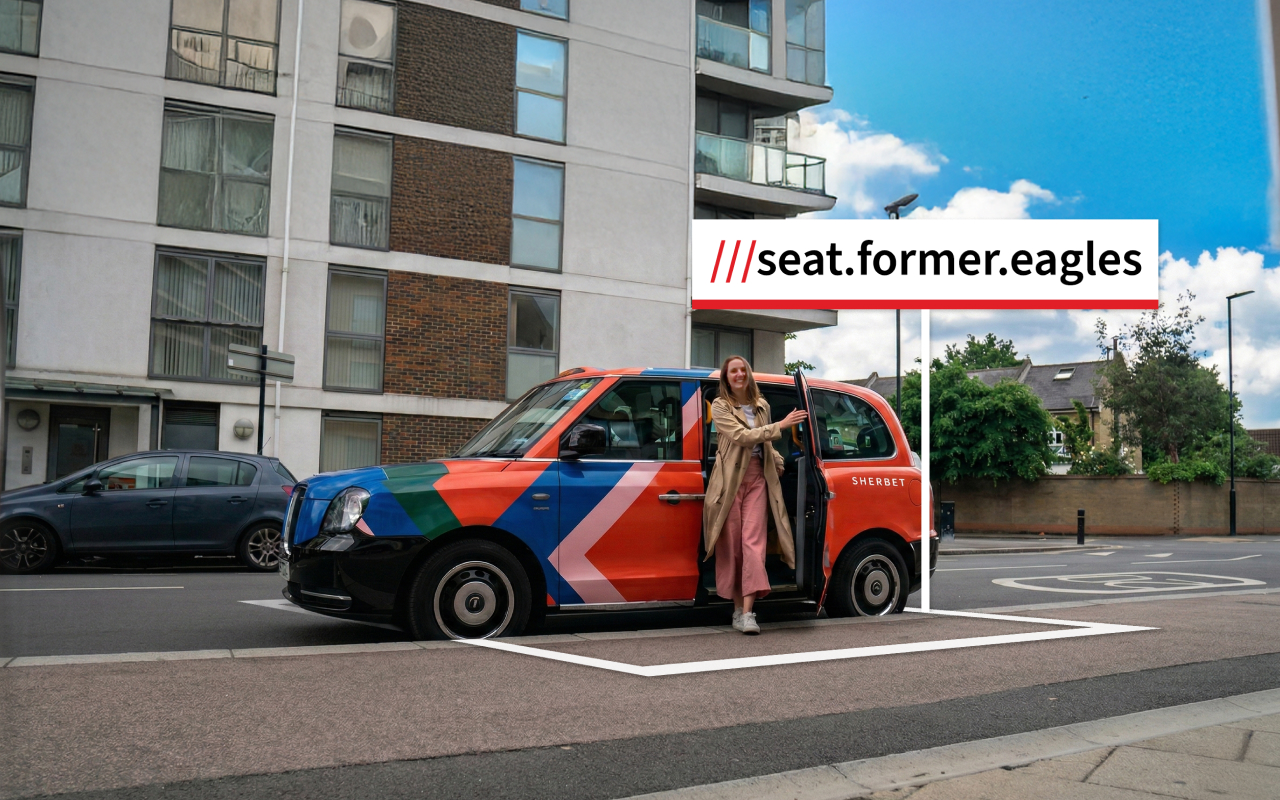
Millions of people use what3words to find, share, save and navigate to precise locations. It’s used for planning meet-ups and road trips, giving accurate delivery locations, taxi pick-ups, and much more.


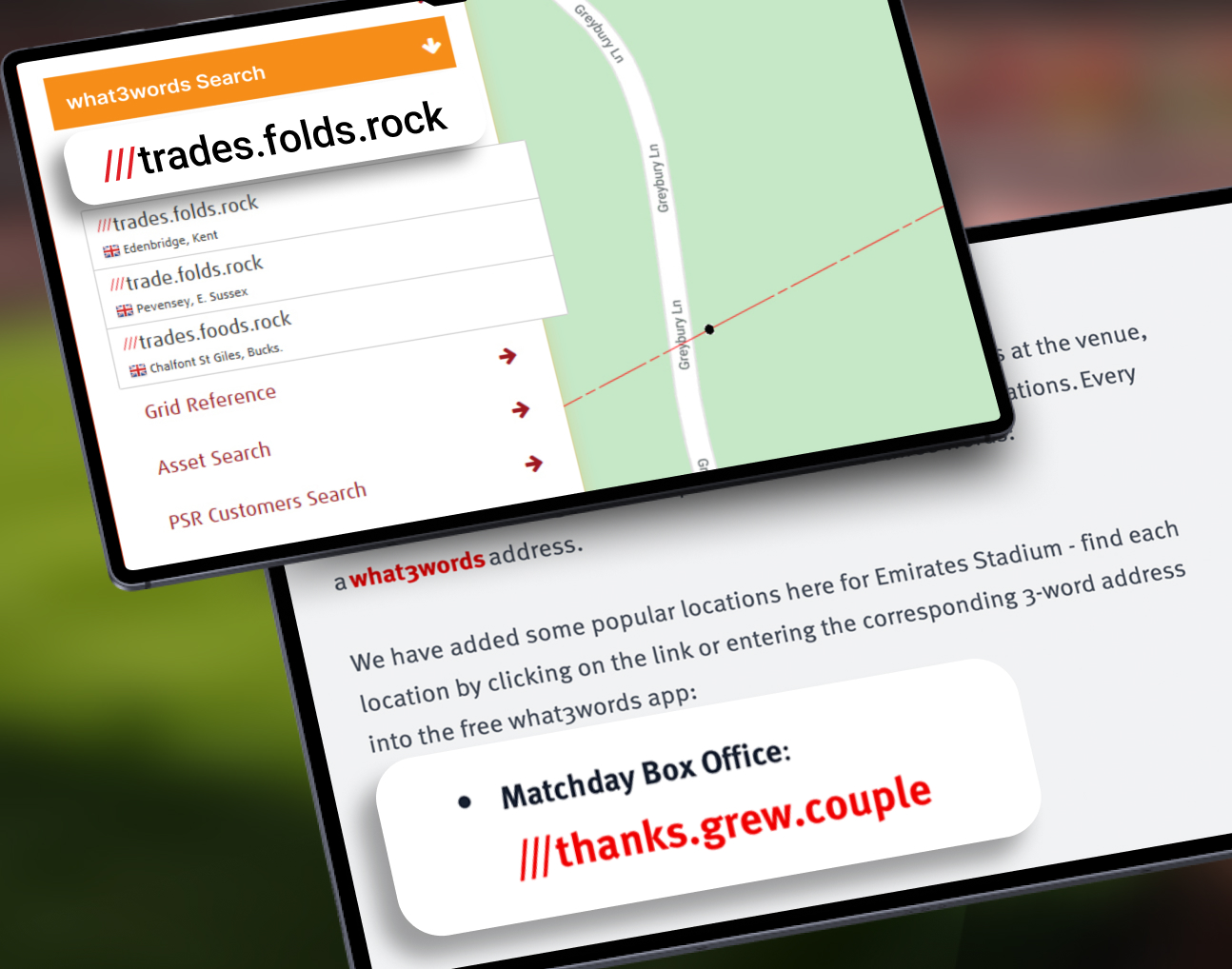
Thousands of businesses use what3words to operate more efficiently, cut costs and improve customer experience – from global logistics and national infrastructure to small e-commerces.
We offer many ways to easily integrate what3words into your products, platforms and apps.
There are a number of ways a what3words address can be better than a regular street address. Here’s how they differ:
| what3words addresses are: | Street addresses are: |
| ✅ Precise to a 3 metre square: so you can talk about exact locations, like a specific building entrance | ❌ Often inaccurate and can refer to a whole building or property |
| ✅ Unique: no two what3words addresses are the same | ❌ Duplicated, frequently within the same area. There are 14 Church Roads in London alone! |
| ✅ Permanent: our addresses are fixed in place and will never change, helping our system to work on offline devices too | ❌ Liable to change as towns and cities develop – which means databases need to be constantly updated |
| ✅ Have global coverage: every 3 metre square on the planet has an address, whether that’s a park bench in Korea or a parking spot in Bolivia | ❌ Each country, region and city can have their own system |
| ✅ Available in 60+ languages: billions of people can talk about precise locations, anywhere, in their native language | ❌ Available only in the local language |
To make an addressing system precise enough to refer to a specific entrance or parking spot, it needed to be accurate to a 3 metre square. This meant we needed 57 trillion addresses to cover the world, and 3 words allowed us to create 64 trillion addresses – covering the entire world with quite a few spare!
If we’d used two words, for example, we’d only have had enough combinations for 1.6 billion squares.
Not at the moment, but here’s how you can open the location in Google Maps (Android) or Apple Maps (iOS):
what3words Pro members can choose to navigate with even more apps – like Uber, CityMapper and Waze.
Yes, we designed it specifically that way.
Even when you’re totally offline, without a data or cellular connection, you can still find the 3 words for your location and navigate to other locations (using the what3words Compass). This is because our app uses a GPS signal to work, which has near-universal coverage wherever you are in the world. However, we find it works best when you’re outside and able to see the sky above you.
To share a what3words address over the phone or in a text message, you need phone signal or a data connection. You also need a data connection to load maps, or share an address in other apps or on social media.
what3words Pro features
Please note that AI Chat and AI Voice Chat don’t work offline.
Yes, our app and online map are free to use.
Users and businesses can pay to access a premium tier called what3words Pro , which gives you more tools and features.
We charge businesses that benefit commercially from using what3words via our API , but offer free access to emergency services and many NGOs for educational, community and innovative projects.
Location pins might work well when shared within specific apps, but they’re impossible to describe over the phone, to write down, or to enter into a speech recognition system (like an in-car navigation system).
what3words offers a more flexible way to pass location information between people and devices, both online or offline.